https://ukonward.com/reports/up-and-atom/
Onward, Onward is a UK centre-right think tank developing bold and practical ideas to boost economic opportunity, build national resilience, and strengthen communities. 1200627
Onward, Onward is a UK centre-right think tank developing bold and practical ideas to boost economic opportunity, build national resilience, and strengthen communities.310310
70 years ago, on 17th October 1956, the late Queen Elizabeth II pulled the lever that unleashed the nuclear age. For the first time, homes received electricity from nuclear power. At Calder Hall, civil nuclear power was a reality. And it was delivering energy to homes and businesses across Great Britain.
Barely three years after Dwight Eisenhower had spoken of his desire for atomic energy to be harnessed for good as ‘atoms for peace’, British scientists and engineers had made it a reality.
Over the subsequent decades, nuclear power in Great Britain expanded. By the mid-1990s, nuclear power would make up a quarter of Britain’s electricity.
Now it’s 12%. We haven’t built any new reactors since 1995, and construction times have risen, and costs are astronomical.
But countries around the world are expanding their nuclear power capacity. A global nuclear revolution is underway, and Great Britain cannot be left behind.
When I was Minister for Nuclear during the last Conservative Government, I saw the excitement and potential within the industry at the new opportunities sweeping the world.
I was proud to put the first spade in the ground at Sizewell C, launch GB Nuclear, the Small Modular Reactor competition and secure Advanced Nuclear fuel production in the UK.
We were making huge strides. But the pace has slowed. If Britain is serious about embracing new nuclear power, we need to break down the barriers. Cost and delivery difficulties need to be addressed. Onward’s work gets to the heart of this challenge.
That means learning from our experiences here in Britain and looking overseas where nuclear is being delivered faster and cheaper. It means embracing the potential of SMRs alongside large-scale generation as part of a diverse nuclear fleet. And it means getting the incentives right so that developers, investors, and government are laser-focused on delivery.
The prize is enormous. Clean, reliable power. Our energy security strengthened. High-skilled jobs created and the UK a destination for investment and innovation.
Seventy years after Calder Hall, Britain should once again have the ambition to lead the world. We know how to build it; we just need to get better at delivering it.
Andrew Bowie MP
Shadow Secretary of State for Energy
Introduction
Brian George isn’t a household name, but Britain owes him a debt of gratitude. He was the project director of Sizewell B, the UK’s last completed nuclear power station.
Sizewell B was built for the Central Electricity Generating Board, a public corporation, and started generating power in 1995. Construction took less than seven years, and was delivered at a cost of £5300/kW in 2025 money, about 35% of the projected construction cost for Hinkley Point C.[1]
A 2025 interview with Brian George revealed the agency he was given to get things done.[2] In one instance, his controls and instrumentation supplier was unwilling to supply him before another client. Brian George sacked them, got on the Concorde, and flew to the USA to see Westinghouse to negotiate a new agreement. On a one-page contract, he struck a deal offering them a £10m bonus – £100,000 for meeting each of 100 key dates, with nothing if the installations were 8 weeks late. All of the deadlines were met.
The UK is facing a capacity crunch in terms of its ability to generate reliable electricity. Firm generation capacity (generation capacity excluding wind and solar) has fallen by 37% in the last fifteen years.[3] The country is leaning on an ageing group of gas, nuclear and biomass power stations in the winter months, and is increasingly reliant on interconnectors to neighbouring countries to provide power at times of scarcity.
Nuclear power can provide Britain with clean and reliable electricity generation at scale, but Britain and many other Western nations have been unable to deliver on time and budget. Hinkley Point C was originally scheduled to start delivering power at the end of 2025, but remains unfinished and significantly over budget.[4] Whilst the overspend has been borne by state owned enterprises in France and China, the follow-on project at Sizewell C places much more risk on the British government and billpayer. A project for small modular reactors has been proposed at Wylfa, and is likely to be highly reliant on state funding too.
The British state is starting to recognise the scale of the problem. The Nuclear Regulatory Review 2025, led by John Fingleton, proposed a radical reform of the regulatory landscape, and has support across the political spectrum. The Fingleton Review has opened the door to better delivery, but now the country needs a new generation of nuclear leadership, that is empowered and incentivised to deliver projects on time and budget.
This paper will:
Explore the dynamics driving cost overruns in the UK and the West
Make the case for small modular reactors as an important part of the nuclear capacity mix
Recommend three deployment models for future UK nuclear projects, improving delivery incentives and the chances of successful project delivery
Brian George and Sizewell B
In 2025, thirty years after starting operations, Sizewell B ran at 99% of its maximum potential output, supplying 3.2% of the UK’s electricity.[5] This reliable source of power is now scheduled to continue running until 2055, helping power Britain with clean electricity for at least sixty years.[6]
Sizewell B has run at high load factors for thirty years
Sizewell B was not preordained to be a successful project. The British nuclear industry had been weakened by very poor delivery of several advanced gas-cooled reactors (AGRs) from the 1960s to 1980s, and opted to build a new type of reactor. Whilst the Sizewell B design was based on existing reactor technology, built in Missouri and Kansas, it was the first pressurised water reactor (PWR) to be built in the UK, meaning the design was new to the UK supply chain. In addition, major modifications had to be made for the UK market, further increasing design novelty and construction risk. These included additional backup safety systems and a secondary containment structure to meet UK regulatory requirements.[8]
What had changed for the better was the delivery model and a much more active role from a publicly owned utility.[9] Most of Britain’s prior nuclear projects had been built by competing consortia of engineering firms, which joined together to supply different elements of a power station. Typically this consisted of a boiler maker, a turbine-alternator manufacturer, and a civil engineering firm, combining their skills and balance sheets. Once the project was complete, the power station would be handed over to the Central Electricity Generating Board (CEGB) or South of Scotland Electricity Board (SSEB) for operations.[10]
George recounted his earlier career, working as part of an engineering consortium that built the Wylfa A power station. He was unimpressed by the project management discipline and limited authority for the project manager under the consortium model.
Sizewell B was different.
Instead of outsourcing delivery, the CEGB would take a central role in designing the plant and managing its construction. In turn, George was given a huge amount of responsibility – claiming that “there had never been a project where the project director was given such power”.[11] George was able to pick much of his own team, and drew on his own experience as a welder to make the plant design easier to build. His team’s alterations increased the diameter of the containment vessel by ten feet, giving the construction teams more space to work.
The great tragedy of Sizewell B was that it remained a one-off. Having achieved a miraculous feat of cost-effective engineering, plans to replicate the design slowly crumbled away. In 1979, there had been government ambition for building ten such pressurised water reactors.[12] By the time the first concrete was poured at Sizewell B in 1988, there were plans for three more identical plants at Hinkley Point, Wylfa, and an additional plant at Sizewell. None of the three were built.[13]
The economic case for new nuclear capacity had been undermined by cheap North Sea gas and major improvements to the efficiency of gas power stations. The newly privatised electricity industry built out a large fleet of power stations in the 1990s ‘dash for gas’, leaving the industry with a saturated power market.[14]
Instead of building a fleet of new reactors, Britain underwent a long hiatus in nuclear construction, with a twenty three year gap between the commissioning of Sizewell B and first nuclear island concrete at Hinkley Point C.[15] Along a different branch of history, the UK would now have a sizeable fleet of reactors delivering clean, affordable electricity for decades ahead. This vision can be recovered, but only if the UK can re-learn how to build nuclear power stations on time and budget.
The need for firm power – and new nuclear power stations
Britain is facing a capacity crunch in terms of firm power generation capacity, defined as capacity that can meet peak demand with a high degree of reliability. Whilst total generation capacity has increased by nearly 30 GW over the last twenty years, firm generation capacity has fallen by 24 GW, driven by the closure of Britain’s coal fleet and nuclear decommissioning.[16]
The UK has lost firm generation capacity
Figure 2: UK electricity generation capacity 1998 to 2025, by category (GW)
Source: Onward analysis. Department for Energy Security & Net Zero (DESNZ)[17]
Electricity supply and demand have to match in real time. Large mismatches can push the grid’s frequency outside of its safe operating range, risking the stability of the electricity system. Whilst wind and solar are valuable fuel saving technologies, incremental capacity contributes very little to reliable electricity supply.[18] Solar output declines precipitously in the winter months (when British electricity consumption is at its highest) and wind generation suffers from correlated lulls that can last for multiple days.
The National Energy System Operator provides de-rating factors for different technologies ahead of annual capacity market auctions, which ensure that Britain has enough firm capacity to meet demand. Each technology is ‘de-rated’ as a proportion of its maximum output, indicating how much it contributes to reliable supply. The contribution from incremental wind and solar capacity is minimal.
Some generation technologies are more reliable than others
Figure 3: Technology specific de-rating factors (%)
Source: National Energy System Operator (NESO)[19]
If the UK is to continue making progress on decarbonisation, it will need to electrify major emitting sectors such as transportation and heating buildings, which make up around half of territorial emissions.[20] The electrification of heating is a particular challenge for policy makers, as it is likely to exacerbate an existing winter skew to electricity consumption, with highly correlated demand during cold spells.
The recent Onward paper “Firm Foundations” argued for a diversified electricity mix of wind, nuclear, gas and solar to reduce the costs of the electricity system, and ensure that the UK has enough firm generation capacity to meet demand, without overreliance on interconnector flows from neighbouring countries.[21]
From a climate perspective, the UK will struggle to convince consumers to electrify their heating if its electricity system cannot reliably deliver when it is most urgently needed. The current government’s ‘Clean Power 2030’ policy requires 35 GW of unabated gas to remain on the system, but the requirement for firm capacity does not magically disappear after 2030. In 2040, the National Energy System Operator anticipates 51-63 GW of firm capacity, across a range of different generation technologies.[22]
Unfortunately, Britain faces significant headwinds to its firm power capacity, thanks to an ageing group of gas and nuclear power stations.
An ageing gas fleet
Gas generation became a major force in British electricity generation from the early 1990s. A combination of improved gas turbine technology, abundant North Sea gas and privatisation of electricity markets created the “dash for gas”, a major build out of efficient combined cycle gas power stations.
The concentrated build out of gas power stations in the 1990s and early 2000s has left the UK with a large cohort of older gas plants. Over 60% of the UK’s major gas power station capacity was commissioned over twenty years ago.[23]
The majority of UK gas generation capacity was commissioned over twenty years ago
Figure 4: UKgas power station capacity (MW) by commissioning year, 1990 to 2026
Source: Onward analysis. Department for Energy Security & Net Zero (DESNZ)[24]
The Department for Energy Security and Net Zero (DESNZ) assumes operating lives of 25 years for gas power stations, though life extensions should be possible. A 2025 paper published by DESNZ suggests that combined-cycle gas power stations can achieve five year life extensions at modest costs by replacing and refurbishing parts of the gas turbine, steam turbine and wider plant.[25] Repowering power stations for 10-25 years beyond the original design intent may be plausible in some instances. It is assumed to cost much more than a five year life extension (£545/kW at 2024 prices) requiring the replacement of all above ground equipment, leaving only the foundations in place.
Given the build times of recent nuclear projects, extending the life of the existing gas fleet and adding new gas capacity will be necessary, buying time for new nuclear capacity to come online.
An ageing nuclear fleet
Britain has five operational nuclear power stations, totalling 5.9 GW of capacity.
Four out of the five power stations (totalling 4.7 GW) are advanced gas-cooled reactors (AGRs) and are currently scheduled to end operations by March 2030.[26] Whilst small life extensions may be possible, these four stations have already exceeded their expected operating lives.[27]
Figure 5: Operational nuclear power stations in the UK
The UK’s only operational pressurised water reactor, Sizewell B, (1.2 GW) has negotiated a refurbishment and life extension that would keep the power station operating until 2055.[29] Two new power stations totalling 6.5GW (Hinkley Point C and Sizewell C) are under construction. The graph below assumes that each of their first reactors come online in 2030 and 2039 respectively.
UK nuclear capacity is expected to decline over the next ten years
Figure 6: Historic and expected nuclear power capacity in the UK (MWe, 1980 – 2040)
Source: Onward analysis, World Nuclear Association.[30]
The timing of the UK’s firm power capacity crunch is ominous. Just as the delivery of reliable electricity has become critical to AI and wider electrification, the UK is falling short.
Re-discovering the ability to build nuclear in a cost competitive fashion is critical for continued progress on decarbonisation and the resilience of the UK economy. Analyses of lifecycle emissions suggest that nuclear and wind power have the lowest emissions intensity of all major generation technologies.[31] Building a large nuclear fleet, alongside renewables, would also help diversify the UK’s energy mix away from gas, which continues to occupy a major role in electricity generation as well as in Britain’s heating systems.
If the country can start delivering nuclear projects on time and budget, then the UK can become a world leader in the delivery of affordable, reliable and clean electricity.
The nuclear cost problem
The cost problem in the nuclear industry is driven by the cost and time it takes to build new power stations. Overhead costs associated with running a nuclear power station are relatively low per MWh of generation, as are the variable costs of fuel.
The capital cost of building new nuclear projects is typically broken down into two components. Overnight construction costs refer to the cost of building the power station as if it were built ‘overnight’, which excludes the cost of finance during the build period. Financing costs then arise due to the time gap between the start of construction and the point at which the power station begins generating electricity. Rising interest rates make lengthy construction timelines particularly costly.
The charts below demonstrate how construction costs and delivery timelines in the UK have deteriorated since the success of Sizewell B. Hinkley C is yet to finish and Sizewell C has only recently taken its final investment decision (FID), thus the cost projections run the risk of further increases.
UK nuclear construction cost expectations have risen materially since Sizewell B
Figure 7: Construction cost estimates for three UK nuclear projects (2025 £/kW)
Source: Onward analysis, David Newbery, Department for BEIS, National Audit Office.[32]
UK nuclear construction schedules have lengthened since Sizewell B
Figure 8: Construction time estimates for three UK nuclear projects (years)
Source: Royal Academy of Engineering, Department for BEIS, National Audit Office.[33]
These cost and time overrun risks are becoming increasingly important to British billpayers, as they are taking on greater exposure to construction performance.
Hinkley Point C was financed under a thirty five year fixed-price Contract for Difference (CfD). This means that cost and time overruns are largely borne via lower returns to the project owners, rather than being incurred by billpayers. Ownership lies with Électricité de France (EDF) and China General Nuclear Power Group (CGN), companies owned by the French and Chinese states respectively.[34]
Sizewell C is being built under a Regulated Asset Base (RAB) model, where billpayers are exposed to more of the risk from rising construction costs. Moreover, the bulk of the capital for the project has been provided by the British State.[35]
The path to lower electricity costs from nuclear power lies not with financial engineering, but with better delivery incentives, lower build costs and faster construction timelines. If the UK can deliver nuclear projects within a lower and more predictable cost and time envelope, then the ‘nuclear premium’ for financing costs will also fall, and a lower cost electricity system will follow.[36]
Why have costs increased – and how can the UK improve?
The costs and duration of building nuclear power stations has increased throughout the West. The chart below compares nuclear construction times for three western countries (France, USA and the UK) to three East Asian countries. (China, Japan and South Korea)
China, Japan and the Republic of Korea have built nuclear projects at speed
Figure 9: Median nuclear reactor construction duration by completion year for six countries
Source: Power Reactor Information System Database (IAEA).[37]
France, the USA and the UK have all struggled with nuclear projects started in the 21st Century. The European Pressurised Reactor (EPR) at Flamanville (France) took seventeen years to build.[38] The twin AP1000s at Vogtle (Georgia, USA) took a decade, and the VC Summer plants in South Carolina halted construction in 2017, after Westinghouse (the primary contractor) went bankrupt.[39] Construction at Hinkley Point C in the UK is currently estimated to take about twelve years, around 80% longer than Sizewell B.[40]
By contrast, China’s last five completed reactors have an average construction time of less than six years.[41] The United Arab Emirates (UAE), a newcomer to nuclear power, was able to build four reactors at Barakah with an average build time of eight years, helped by the strength of the majority state-owned South Korean nuclear industry.[42] The UAE now has 90% of the UK’s nuclear capacity, despite Britain having a near sixty year head start.[43]
There are two major causal categories that have driven up build times and costs in the UK.
A scale problem, encompassing atrophied supply chains, lack of standardised designs and limited accrual of reactor building experience.
Poor incentives in the British nuclear industry.
Atrophied supply chains
First pour of nuclear island concrete at Hinkley Point C occurred in 2018. This represents a hiatus in new build projects of twenty three years since Sizewell B started commercial operations in 1995.[44] Such a lengthy time gap meant that the UK’s skills base in nuclear construction had eroded by the time it came to build Hinkley Point C.
By contrast, Sizewell B (first structural concrete in 1988) benefited from a supply chain that was still intact, after four reactors across Heysham B and Torness which were connected to the grid around the same time.[45] A 1985 report on the construction of Torness lamented that not all of the workforce could be recruited from local labour, with workers travelling “from as far as Edinburgh and Berwick-on-Tweed” suggesting a suitable labour force existed within only a 35 mile radius of the Torness site.[46]
Other countries have also suffered from major time gaps and supply chain erosion. Finland clocked up nearly twenty five years between the completion of Loviisa 2 and the start of Olkiluoto 3.[47] Even France, with its 63GW nuclear fleet, endured an eight year gap between the grid connection of Civaux 2 and the construction start of Flamanville 3.[48]
In 2010, The Royal Academy of Engineering published “Nuclear Lessons Learned”, an investigation designed to gather learnings from current and recent nuclear build projects. Learnings from the Olkiluoto 3 project in Finland noted the change in the supply chain environment since the 1970s. Reactor vendors had lost in-house design, project management and manufacturing expertise, with a much greater reliance on subcontractors.[49]
The ongoing construction of Hinkley Point C has helped revitalise the UK’s domestic nuclear supply chain, but manufacturing companies and subcontractors need visibility of future newbuild projects if they are to retain this skillset. This was recognised by the UK government, albeit in expensive fashion. The Department for Energy Security and Net Zero (DESNZ) ended up investing £5 billion into Sizewell C, before it reached Final Investment Decision (FID).[50] This allowed Sizewell C to start site enabling works in 2024, and make use of the skills, experience and supply chain accrued from Hinkley Point C.
Lack of standardised, repeated designs
Failure to commit to a standardised, repeated reactor design has been a consistent theme throughout the UK’s history of nuclear deployment. The civil Magnox programme built under the consortia model consisted of nine projects and eighteen reactors (1956-71) that were designed and built by five different consortium groups.[51] Consortium groups used different designs and planned reactor power output varied from 123MWe at Bradwell to 490 MWe at Wylfa, the final Magnox project.[52]
The AGR programme consisted of seven power stations and fourteen reactors (1965-1988) and initially fared little better when it came to repetition and standardisation of design. The first five power stations were built by three different consortium groups, each developing their own designs based on an earlier 33MW prototype reactor built by the UK Atomic Energy Authority.[53]
The final two stations (Heysham B and Torness) started construction in 1980 and were the fastest builds of the AGR programme.[54] The final two power stations were “largely repeat designs”, with changes for revised safety standards (particularly seismic tolerance) and site-specific requirements.[55]
UK nuclear construction timelines recovered after three very difficult AGR projects
Figure 10: UK nuclear power station construction duration (years) by start year
Source: Onward analysis, Power Reactor Information System Database (IAEA).[56]
The considerable design variation in past British nuclear projects contrasts sharply with French activities in the 1970s and 1980s. France built 34 pressurised water reactors of c. 900 MW each, across nine different sites, based on a similar design. The average construction time was just five and a half years.[57] There is good evidence that standardisation helps reduce costs as well as improve construction timelines. A 2012 analysis of French reactor cost data by Lina Escobar Rangel and François Lévêque found evidence of a learning curve within the same size and type of reactor.[58]
It is noteworthy that both the UK and France have struggled with the construction of EPRs, at Hinkley Point and Flamanville respectively, despite both countries’ previous reactors having been built reasonably effectively. Whilst the UK AGR programme suffered three very difficult AGR builds at Dungeness, Hartlepool and Heysham A, the final two AGR sites at Heysham B and Torness were built in around eight years, followed by the success of Sizewell B, built in less than seven.[59] The French finished the 1450 MW reactors at Civaux in nine years.[60] Whilst a large gap in nuclear construction might explain some of the difficulty, data from China suggests that building First of a Kind (FOAK) designs is inherently difficult, even with a strong domestic nuclear industry.
China built two EPRs at Taishan, and four AP1000s (a pressurised water reactor designed by Westinghouse) at Sanmen and Haiyang. Much of the AP1000’s content has since been localised under the CAP1000 which are now being deployed at scale. The graph below breaks out the EPR and AP1000 construction times (in red) vs. other reactors deployed in China.
Even China has struggled when it comes to building novel reactors for the first time
Figure 11: China nuclear reactor construction duration (years) by completion year
Source: Power Reactor Information System Database (IAEA)[61]
The six reactors in red (four AP1000s and two EPRs) took nearly nine years to complete on average. The rest of the Chinese nuclear builds have averaged about five and a half years.[62] Finland, France, China and the UK have all struggled to build the EPR at speed.
Finland, France, China and the UK have struggled to build the EPR quickly
Figure 12: Construction time (years) for nuclear projects building European Pressurised Reactors
Source: Power Reactor Information System Database (IAEA), National Audit Office.[63]
In theory, the UK might have benefitted from learnings in Finland and France. However, the EPR design was substantially modified for the UK market. The control and instrumentation protection systems used at Flamanville had to be enhanced, adding a further analogue backup control system to satisfy the UK regulator, increasing project costs by hundreds of millions of pounds.[64] In total, EPR design adaptations for the British market are argued to have required 7000 changes, requiring 35% more steel and 25% more concrete.[65]
The Sizewell C project should benefit from the repetition of the design at Hinkley Point C. Around 85% of the above ground design replicates Hinkley Point C, giving Sizewell C a high degree of cost certainty over nearly 60% of its total cost estimate.[66] The concern for the UK is that even if repetition and replication is the correct strategy, it may have been applied to an inherently difficult reactor design.
The UK is the only country to have started EPR builds at multiple sites. The French have declined to repeat Flamanville 3, and are instead planning to build a much-simplified version of the EPR design (the EPR 2), with plans to build six new reactors.[67] China has not built any more EPRs since Taishan 1 & 2, and a recent paper found that they were the most expensive per kW of any Chinese nuclear new build this century.[68]
Limited retention of construction experience
Constructing large nuclear power stations is a high-stakes test of engineering, construction and project management expertise. The ability of teams of humans to learn from experience and drive future productivity improvement is an important element of successful nuclear construction. Lessons can be learned and harnessed for the future, assuming there are similar projects to repeat in the pipeline, and there is an organisation that can create a ‘corporate memory’ to retain them.
The UK’s historic model of engineering consortia, responsible for the build out of the Magnox programme and most of the AGR fleet, wasn’t suited to accruing experience or learnings. Employees would be seconded from member companies to work for a consortium, and would have had more expertise in manufacturing processes rather than construction or project management.[69] On-site leadership could be diffuse, with supervision at the level of customer, consortium and individual contractor.[70]
Consolidation of the consortia into the National Nuclear Corporation (NNC) in 1973 marked a major change in the structure of the UK’s nuclear supply chain and approach to nuclear project management.
The contractual basis for the final two AGRs, Heysham B and Torness, differed from earlier AGR projects. The NNC focussed on managing the nuclear island, whilst the CEGB and SSEB respectively maintained overall project leadership and managed the remaining contracts.[71]
The construction of Heysham B and Torness in around eight years was impressive in the context of the AGR programme. The decision was taken to use the design of the AGRs with the better construction track records, Hinkley B and Hunterston B, which averaged around nine years for construction.
However, Heysham B and Torness had to contend with a decade of safety advancements since the earlier AGRs. They were built to withstand a one in ten-thousand year earthquake and incorporated secondary shutdown systems to improve safety.[72] The cable support steelwork at the earlier Hunterston project weighed 500 tonnes, but this had escalated to 3500 tonnes in the construction of Torness.[73]
The two power stations were largely able to rise to the extra challenges. There were significant innovations in management processes, with the introduction of a rigorous quality assurance programme, formal procedures to minimise design changes, and innovative contract structures. These featured bonus payments for meeting key deadlines as well as cash flow penalties that encouraged suppliers to raise problems early rather than relying on litigation further down the line.[74]
Innovation was not restricted to project management. Heysham B and Torness were the first to make use of off-site construction for large components of the build, taking inspiration from North Sea infrastructure, which recognised the advantages of moving construction work away from a constrained build site.[75] Major elements of the project, such as thousand tonne liner roof assemblies, were lifted into place.[76] The two power stations were by no means perfect, but they were delivered within about 10% of the original cost estimate, with the four reactors averaging about ten months behind schedule.[77]
The CEGB (and its successor, Nuclear Electric) took on even more responsibility for Sizewell B than it had for Heysham B and Torness. Originally a joint leadership group with the NNC was considered, but instead around a hundred key staff members of the NNC moved to direct employment under the CEGB.[78] The project group led by the CEGB compiled the safety case, decided the station layout and acted as architect-engineer, managing procurement, the construction site and commissioning.[79]
The key takeaway is that standardising the design isn’t enough, on its own, to improve construction productivity. The humans assembling nuclear power stations have to discover new ways of working and retain the learnings from one site to the next. Berthélemy & Rangel’s 2013 analysis of French and US nuclear builds noted that ‘learning by doing’ spillovers only take place when the same design of reactor is built by the same architect-engineer (the organisation that supervises the construction and manages different project suppliers).[80]
Vertically integrated utilities that take delivery responsibilities ‘in house’ are better placed to capture learning effects, and also have stronger incentives to do so, especially if they have a pipeline of multiple nuclear projects ahead. This may explain why large nuclear fleets often have a strong association with state owned companies. Few private utilities have the required scale to build a series of large scale reactors and thus have limited ability to retain learnings and apply them to future projects.
In Canada, Ontario Power Generation (OPG) leads the Darlington SMR project as the licence holder and operator while GE Hitachi Nuclear Energy supplies the technology. The nuclear site licence, the corporate memory, the safety case, and the operator competence all reside in the same publicly owned entity that is spending the public money. The technology selection was made by OPG, who will bear the responsibility and consequences itself. OPG’s first unit is estimated at CAD 6.1 billion, with costs for the second, third and fourth units declining gradually to around CAD 4.1 billion for the fourth – roughly 33% cheaper than the first, with the plan to build one unit and learn lessons before building the next three as an overlapping programme.[81]
Incentives: the nature of risk
Britain’s historic nuclear projects have all entailed major capital commitments, with multi-year build timelines. The capital cost and duration of projects creates significant financial and development risk, which must be allocated properly to create the right alignment of incentives.
Under the Magnox programme, the five construction consortia were awarded turnkey projects to build power stations on behalf of their utility customers, the CEGB and SSEB. This involved the consortia taking on financial risk, as contracts were awarded on a fixed price basis, with adjustments for inflation and site-specific design changes.[82] Whilst this approach worked well for the relatively simple Magnox reactors, the AGR programme would highlight that the major financial risk that apparently lay with a consortium could be rapidly transferred to the utility customer.
The construction of the Dungeness B AGR was an engineering and financial disaster, with the two reactors averaging nearly nineteen years to build.[83] The reactors then ran at abysmal load factors, around 50% across their operating lives.[84] Construction started in 1965, but by 1969, the original consortium tasked with building the project had gone bust, incurring losses for its member companies and leaving the project completion to the CEGB and a different consortium.[85] This ultimately transferred risk onto the CEGB and the British taxpayer.
The decision for the SSEB and CEGB to take on a greater share of the delivery responsibility for Torness, Heysham B and Sizewell B was driven by the increased scale, complexity and financial risk associated with nuclear construction, alongside a supply chain that had been weakened by a decade long hiatus in new orders.[86] Larger reactor power outputs, fewer new build projects and greater capital intensity changed the structure of the UK nuclear industry.
The Magnox plants had been relatively simple, with much of the cost envelope reflecting conventional plant and equipment, making the turnkey fixed priced contract structure an appropriate balance of risk.[87] Two key changes altered the balance for the AGR programme.
Firstly, demands for the generating plant to work at high temperatures and thus higher thermal efficiencies increased the proportion of engineering at the technical frontier. Secondly, evolving safety requirements complicated the design of the plant. Evidence suggests that the NNC had been prepared to bid for Heysham B and Torness on a firm price turnkey basis, but the boards of the CEGB and SSEB recognised the risk mitigation of a fixed price contract was only theoretical in nature. NNC was poorly capitalised in relation to the contract values, and so offered no real insurance against a major cost overrun.[88]
The model for Hinkley Point C looks very different from a risk exposure perspective. The CfD contract is effectively a fixed power price agreement for 35 years. Construction and overrun risk has been left to EDF and CGN, but this in turn has reduced the incentives for arms of the British state to act as a good customer for the project. The Fingleton Review noted £700m of expenditure on fish protection systems, and hundreds of millions in additional costs due to the insistence on an additional analogue backup control system relative to the Flamanville reference design.[89] Repeated cost overruns have made the chances of signing an equivalent contract structure for large build projects very remote indeed.
The risk allocation for the follow-on project, Sizewell C has been structured very differently, with significantly greater risk exposure to the British taxpayer and billpayer. The government will provide 44.9% of the equity for the project, and 85.5% to 88% of the debt during construction.[90] Billpayers will also pay levies during the construction phase, before power is generated. In essence, much of the funding has come from the state and is secured by billpayers, but government control of the project has been intentionally limited. The rationale, according to the National Audit Office, is to benefit from shared ownership with other investors, “seeking to avoid governance weaknesses that have beset other mega-projects.”[91] The UK has abrogated itself of delivery responsibility whilst retaining the bulk of the financial risk.
Financial incentives for on-time and on-budget delivery do exist for Sizewell C but are relatively weak. The mechanism is a risk/reward sharing mechanism, with half of any savings below the Lower Regulatory Threshold being added to the Regulated Asset Base (RAB). Equally, only half of any overspend up to the Higher Regulatory Threshold is added to the RAB.[92] The National Audit Office has estimated that nominal rates of return for construction are 12-13% assuming a 9.5 year construction period, but only fall to a range of 10.8% – 11.4% at the Higher Regulatory Threshold, where construction is assumed to take over 13 years.[93] Private investors have the greatest risk exposure to ‘tail-end’ scenarios above the Higher Regulatory Threshold. The National Audit Office have expressed scepticism over the incentive structure.
“The extent to which investors will be incentivised to control project costs in the way DESNZ assumes is unclear.”[94]
Incentives: the lack of competitive tension
The end position of the financial arrangements governing Sizewell C reflect the lack of competitive tension in the British nuclear industry. The failure of prospective large scale nuclear projects at Bradwell, Wylfa and Moorside limited the potential for alternative future nuclear deployment.[95] In addition, many of the UK’s potential nuclear sites remain under the ownership of EDF or the Nuclear Decommissioning Authority.[96]
Competitive tension has also been lost in the UK’s SMR technology selection process. The first steps of the SMR competition were taken in March 2016, to gather evidence and gauge market interest from prospective technology developers, utilities and investors.[97] The formal process launched in July 2023, with down-selection to six technologies by October 2023, reducing to just four providers by September 2024.[98] It was widely expected within the industry that two technologies would be selected by Great British Nuclear, and a public tender from 2025 confirms that the competition was looking to select “up to two technology providers for the Small Modular Reactor (SMR) programme”.[99] In June 2025, Rolls Royce SMR alone was selected as the preferred bidder to partner Great British Energy – Nuclear (GBE-N) in developing SMRs.[100] In November 2025, the Wylfa site on Anglesey was confirmed as the host site for the UK’s first SMRs.[101]
Selecting a single technology instead of two was a missed opportunity. Incentives would have been better aligned if two technologies had been selected for first of a kind deployment, with the technology proving itself as more cost effective and faster to deploy then winning the much larger market opportunity for fleet level deployment.
Incentives: The Fingleton Review
As well as the incentive problems created by different contract structures, the Nuclear Regulatory Review 2025, led by John Fingleton, highlighted a myriad of wider misaligned incentives within the UK nuclear industry.[102] Four key areas impacting the civil nuclear industry are highlighted below:
Lack of challenge between dutyholders and the safety regulator: The Fingleton Review highlighted a culture of risk aversion in applying the ‘As Low As Reasonably Practicable’ (ALARP) principle to satisfy the requirements of the Health and Safety at Work etc. Act 1974. Whilst project developers can challenge the decisions of the Office for Nuclear Regulation (ONR), challenge is rare, as developers risk incurring delay or reputational damage.[103] The latter is of particular concern to new entrants to the nuclear sector. Over time, the lack of incentive to push back on further efforts to mitigate risk creates a ratchet effect, as precedent and regulatory expectations escalate towards ever increasing conservatism.
The risk of judicial review: The Fingleton Review notes that Hinkley Point C and Sizewell C have been subject to seven different legal challenges, six of which related to planning or environmental questions.[104] The incentives to create legal challenges are strengthened by the UK’s application of the Aarhus Convention, which caps the cost liability for claimants at £5,000 for individuals and £10,000 for organisations.[105] As well as injecting the risk of delay and increasing uncertainty, widespread judicial review of environmental and planning decisions increases the incentives for developers to take an extremely risk averse approach to environmental and planning applications. This adds extra costs, as designs and applications become ‘gold-plated’ to reduce the risk of future legal challenge.
The ONR’s revenue model: The ONR operates under a cost recovery model, with little in the way of core funding.[106] Operational and pass through costs are allocated back to the industry via direct work recording – or billing for each piece of work.[107] Not only does this create cost uncertainty for new entrants to the market, but also limits the scope for the ONR to invest in hiring and training ahead of demand growth. It is plausible that the revenue model also incentivises the creation of more regulatory engagement. The Fingleton Review also noted a wider tendency for wider regulatory assessment to be outsourced to consultants, by both dutyholders and regulators. The report argued that this has sustained a consultancy ecosystem that “thrives on complexity” and “weakens direct regulatory scrutiny”.[108]
Public procurement rules: Wider government policy may also create poorly aligned incentives in the nuclear sector. The Fingleton Review noted that public procurement rules could constrain the weighting that can be allocated to selecting the best technology.[109]
In March 2026, the then Chancellor of the Exchequer, Rachel Reeves, wrote to the nuclear industry, stressing that nuclear power was a strategic priority for the United Kingdom.[110] The letter recognised the findings of the Fingleton Review, and asked companies to review “internal processes, incentives and performance management” approaches “to identify where complexity, delay or uncertainty can be reduced”.
The letter was a positive intervention, stressing the importance of delivery speed to the UK’s energy ambitions. However, the cultural implementation of Fingleton will require more than a report or a letter. The culture of the UK nuclear industry will only change when the individuals leading British nuclear projects see the risk of accepting disproportionate design changes as a bigger threat to their careers and pay packets than an awkward conversation with a regulatory body.
Why the focus on SMRs?
The UK’s Advanced Nuclear Framework describes SMRs as smaller versions of existing light water reactors, featuring a greater proportion of factory fabrication and up to 5% enriched uranium fuel.[111] The power cutoff is drawn at 500 MWe, which is a little larger than many global definitions that typically draw a line at 300 MWe per unit.[112]
The UK uses the term Advanced Modular Reactor (AMR) to cover reactors that use novel fuels and coolants, whether designed for electricity generation or industrial heat applications. The distinction between SMR and AMR is important in terms of operational risk and plant duration. Light water reactors make up the vast majority of the global nuclear fleet, and have thousands of cumulative reactor-years of operating experience. Light water reactors in the US are being licensed out to 80 years of operating life and the US nuclear fleet runs at a capacity factor of over 90%.[113]
Debates about SMRs mainly focus on the economics of constructing smaller reactor sizes, not the stability of the underlying light water reactor technology.
SMR scepticism and economies of scale
Enthusiasm for SMRs should be measured. The UK, alongside many western nations that have struggled with new build projects, should not use the promise of SMRs to gloss over the difficulties they have experienced with large nuclear projects.
As early as 1953, Admiral Hyman G. Rickover (the pioneer of nuclear propulsion for the US Navy) warned of the dangers of being lulled into a false sense of security by ‘paper reactors’ that promised features like simplicity, low costs, small sizes, and off-the-shelf components. By contrast, practical reactors that were actually being built were often behind schedule, complicated, expensive, large and heavy.[114]
The conventional industry view (and associated scepticism of SMRs) assumes that there are large scaling benefits to increasing the size of reactors, which explains the historic increase in reactor power output across the world.
Under the conventional worldview, costs for foundations and shielding do not fall proportionately with a smaller reactor size, leading to higher construction costs per kW of capacity. Similarly, largely fixed costs in operations and maintenance would be recovered over a smaller annual power output, driving up the unit cost of electricity.
SMR sceptics would point to the track record of SMRs that have already been built, such as the 150 MWe high temperature gas reactor at Shidao Bay in China, which took about eleven years between start of construction and commercial operations.[115] The most significant western project that has started construction is OPG’s Darlington project in Canada, which is looking to deploy four 300 MW boiling water reactors.
SMR optimism and economies of volume
The optimistic case for SMRs assumes that the economies of volume (benefits from repetition) can overcome the dis-economies of scale associated with smaller reactor sizes.
There is some debate about the extent of realised economies of scale in the nuclear industry. Tony Roulstone has argued that real-world scaling benefits may be overstated, as theoretical benefits from increases in size may be offset by longer build durations (due to increased reactor complexity) or additional safety requirements for larger reactors.[116]
French nuclear costs show evidence of learning within the same size and type of reactor
Figure 13: Overnight construction costs for French nuclear power stations (€ 2010/kW)
Source: Cour de Comptes data from Lina Escobar Rangel, François Lévêque (2012)[117]
Economies of volume are based on Wright’s Law, which derives from aircraft manufacturing. In 1936, Theodore Wright noted that the average labour cost per aircraft fell by about 20% for each doubling of aircraft production.[118] Under this worldview, nuclear costs could fall by building a greater number of smaller units, benefitting from repetition in manufacturing, assembly and construction.
The implicit bet being made by SMR developers is that the economies of volume can overcome the diseconomies of scale. For this approach to work, the entire production and assembly process must be changed to maximise volume benefits. Building a much smaller reactor in the traditional manner of large scale builds risks incurring the scaling headwind without maximising the tailwind from learning.
A recent interview from Tony Roulstone suggested three areas to maximise volume benefits:[119]
Radical standardisation: The design must be frozen, with all non-essential changes between builds removed. This reduces the costs of on-site design changes and regulatory approvals for subsequent builds.
Modularisation and off-site manufacturing: Manufacturing and assembly activity should be moved away from the construction site where possible. This increases the proportion of the plant that is built in a manufacturing environment and moves labour and quality assurance inspections away from a busy construction site.
Maximise production learning: Multiple sequential units should be built, with short time lags between repetitions, so the labour force can learn how to improve the assembly and installation process, without subsequently forgetting those learnings. Building many repeat units on a single site is likely to help, as would retaining the same contractors and workforce for subsequent projects.
As Tony Roulstone has argued, SMR technology providers will need an order book for their reactors to justify the up-front investment in factory production and supply chains. Order book momentum has occurred for two leading light water SMRs:
GE Vernova Hitachi BWRX 300 (300 MWe)
Canada: One unit under construction, with plans to build three more units.[120]
Potential projects include Poland, Tennessee and the UK.
Rolls Royce SMR (470MWe)
UK: Commitments to deliver three initial units at Wylfa.[121]
Czech Republic: Strategic partnership to deploy up to six units.[122]
Sweden: Selected by Videberg Kraft as supplier for new nuclear. Planning underway for three reactors.[123]
If the arguments around the economies of standardisation, volume and modularisation work, then there are several further advantages to the SMR offering in the longer term. If the magnitude and variance of build costs and delivery timelines can be reduced, then the cost of financing projects should fall, both through lower interest rates and shorter periods of interest accrual.
Smaller project sizes would also open up nuclear to new customers that cannot afford to spend tens of billions on a capital project. This could make nuclear power financeable for large utilities, smaller countries or large technology firms, especially if global engineering firms can accrue experience building the same reactor design around the world. Smaller individual reactor sizes would also make the technology more feasible to incorporate in countries with smaller power grids.
The Rolls Royce SMR is particularly interesting, given its design output of 470 MWe, the largest SMR in the nuclear industry, and only about 25% below the power output of the fourteen AGRs built in the UK. Britain should view deploying the Rolls Royce SMR in this vein – learning how to build a fleet of domestic light water reactors cost effectively.
Simultaneously, the UK should make itself an attractive deployment location for the array of advanced modular reactors that are being developed in the United States. This is a fast-moving environment. Four microreactors achieved criticality by the 4th of July 2026, under the Reactor Pilot Programme set up by the US Department of Energy in 2025.[124] Britain’s higher electricity prices relative to the US could make the UK a more attractive place to deploy these nuclear innovations.
What would good look like?
A successful British nuclear programme is one in which power is delivered at affordable prices whilst meeting the required safety standards. Britain should be delivering ‘nth of a kind’ light water reactors at overnight construction costs of £7,500/kW or less. This must be achieved within a low variance of construction time and spending envelope (e.g. +/- 10%) so that uncertainty and cost of capital also reduce.
Three different features are proposed to help achieve the objective of affordable nuclear:
Multiple deployment pathways
The explore-exploit trade-off is a useful analogy for considering British nuclear deployment options. In a nuclear context, exploitation would be represented by committing to a large fleet build of a single design and benefitting from learning and economies of volume. Exploration would involve trying out lots of different designs and benefitting from experimentation.
Nuclear power is a difficult application of the trade-off, because high capital costs make experimentation expensive, and multiple simultaneous deployments will pressure the capacity of the UK supply chain and safety regulator. As well as the choice of reactor technologies, another variable for experimentation is the deployment and ownership model, relying on private sector deployment or a greater role for the state.
Britain should acknowledge the role of the state in large scale nuclear programmes. Britain’s own experience suggests that the construction of Torness, Heysham B and Sizewell B performed relatively well, and that publicly owned utilities (the CEGB and SSEB) played an important role. This may be because the vertically integrated utilities of the past had better in-house engineering capabilities, were better able to retain project learnings, or were better positioned to coordinate the construction of complex engineering projects.
Picking a monoculture delivery model is also risky. The later AGR builds at Torness and Heysham B benefitted from earlier experimentation, basing their design on the most successful of the first five AGR projects (Hinkley B and Hunterston) and avoiding repeating the disastrous Dungeness B. Britain should retain a commercial deployment pathway for private sector innovators, along much more competitive lines, as any successful deployment could then be copied and scaled.
This paper recommends three different deployment models.
A state led SMR fleet.
A commercial pathway for SMR/AMR projects.
A vendor selection process for future large scale nuclear projects.
Britain should pursue both a large scale nuclear build programme and SMRs, as the argument concerning economies of volume vs economies of scale remains contested. Gigawatt scale light water reactors also have a proven global track record of deployment and Great British Energy-Nuclear should not be tied to the SMR programme alone. In 2023, Simon Bowen (then Industry Adviser to Great British Nuclear) stressed the need for both large scale nuclear and SMRs, suggesting another two large scale sites beyond Sizewell C would be required in order to hit 24 GW of capacity by 2050.[125]
Improved delivery incentives and a cultural reset
Delivery incentives in the British nuclear industry need to improve. Not only do the financial incentives for project developers need to reward and encourage strong cost performance, but pro-growth incentives must extend throughout the wider ecosystem, encompassing the planning system, environmental regulation and nuclear regulation.
If GBE-N is to take on greater delivery responsibility, it must be able to attract the very best talent in the global industry. The economics of nuclear power are dominated by construction and financing costs. If a project is executed cost-effectively, then there is plenty of financial room to remunerate the management teams and wider workforce.
The ONR needs the resources to invest ahead of demand, and a longer term revenue mechanism consistent with abundant and safe nuclear power. Developers and environmental regulators must have the confidence to approve projects without gold-plating applications.
Focus on fleet deployment
Learning curves do not happen automatically. Once the UK has decided upon some core reactor technologies, it needs to deploy a fleet of reactors, with minimal changes to the design and personnel involved in delivery.
The UK should consider a greater role for multiple reactor deployments at a single site, and give developers up front visibility of future build locations, so that the workforce and learnings from one project can transfer to the next as seamlessly as possible, without large time gaps that create the potential for loss of experience.
Recommendations
Recommendation 1: Ensure that eight reactors at Wylfa remains viable
The initial project at Wylfa is for three Rolls Royce SMRs, or c. 1.4 GW of power.[126] In November 2025, Lord Vallance (then Minister of State for Science, Innovation, Research and Nuclear) stated that the Wylfa site has the potential to host up to eight units.[127] Starting with three units is a logical step, given the existing transmission capacity on Anglesey is currently limited to 1.8 GW.[128]
It is vital that the option for a further five reactors on the same site is preserved. Should the initial deployment of three Rolls Royce SMR units show strong indicators of future ‘nth of a kind’ success, then the UK would welcome the potential to replicate the build over a further five units.
GBE-N should urgently clarify whether the seismic ratings of the Rolls Royce SMR will allow foundation blasting to be carried out for subsequent units if the first three reactors are already operational.
If operational SMRs would preclude further construction at the site, then blasting for all eight foundations should be carried out in advance. Wylfa is one of the best nuclear sites in Europe. It has hard bedrock, seawater cooling, and proximity to electricity demand centres in Liverpool and Manchester. The UK should ensure that it can maximise the long-term value of this important site.
Recommendation 2: Aim for a fleet of fifteen Rolls Royce SMRs, under GBE-N ownership and delivery accountability
The economics of SMRs rely on maximising the benefits of volume production. This requires repeating the same design, moving manufacturing into the factory, and minimising on-site construction activity. The cost of the first three units at Wylfa are likely to be high, with public contract disclosures indicating a c. £8.2bn forecast price for the supply stage of the technology partner contract.[129] Assuming this cost indication is consistent with three units, it implies costs of nearly £6000/kW for technology supply alone. In addition, the GBE-N commercial pipeline indicates substantial expenditure on a delivery partner for the project, early construction works and the main construction works.[130]
It is vital that GBE-N treats the deployment as a fleet programme and resists the urge to ‘stick build’ the first three reactors to demonstrate activity. Incremental units after the first three should be targeting capital costs of below £7,500/kW, and the programme must be designed in advance to achieve this.
The first three units are likely to require government funding, as the deployment has huge novelty risks. Not only is the design a first of a kind (and unfinalised), but the vendor is new to civil nuclear and the project involves novel construction methods. The British state should take on responsibility for project delivery and funding, recovering capital at project completion by selling down part of GBE-N’s ownership to external investors via a RAB structure. Recovered funding could then be recycled into subsequent units, crowding in private sector funding to a de-risked deployment model.
Delivery responsibility must lie with GBE-N, a publicly owned company, as it did for the CEGB and SSEB in the 1980s. Directly charging an arm of the British state with delivery responsibility will help drive cultural change in the nuclear industry, by forcing confrontation with disproportionate regulatory costs.
The Fingleton Review has support from across the political spectrum. Two of its key recommendations call for the Government to define the tolerability of risk in the nuclear sector and the meaning of ‘proportionality’ within the Health and Safety at Work Act.[131] The first three SMRs at Wylfa present a golden opportunity to break the ‘regulatory ratchet’ – the tendency for risk averse behavior between regulators and dutyholders that leads to higher cost over time.
If the first deployments meet success thresholds, GBE-N can also act as the ‘corporate memory’ to retain the project management learnings for subsequent units. We suggest eleven ideas to improve the chances of a successful SMR fleet.
Clearly identify the individual responsible for leading the Wylfa project: GBE-N should clarify who is responsible for delivering the Wylfa project and wider programme. The project must avoid creating a diffusion of accountability between GBE-N, the SMR delivery partner and DESNZ.
Create a strong incentive structure for the project leadership team: The incentive structures for the Wylfa project need to motivate the leadership team to push back on unnecessary cost creep. If the project teams perform well, then they should be well remunerated. Every £1000/kW saved for the initial project is c. £1.4bn of cost savings for the UK. Establishing a collective bonus pool of £100m for strong delivery performance would be a rounding error in terms of project economics. Any incentive scheme should only pay out on project completion.
Ensure GBE-N has delivery accountability: Funding for the Wylfa project should only be released subject to a high level of design and contractual maturity, with HMT acting as a gatekeeper for reaching FID. From the point of FID, full funding and accountability for project delivery should sit with GBE-N, giving budget certainty for a project covering multiple spending review periods. Poor cost and delivery performance should reduce all bonus schemes to zero, and require the project leadership to explain the overruns in person before the Public Accounts Committee.
Avoid rushing to final investment decision: A 2025 National Audit report on infrastructure mega-projects noted that there is often pressure on major projects to start quickly, so that progress can be announced.[132] This is a particular risk for nuclear projects, as starting a project before a design is completely finalised can lead to expensive re-work activity, driving delays and higher costs. The design must be finalised before a shovel goes into the ground.
Political accountability and support: The SMR programme should have clear political support from a senior government minister. A political sponsor, with a cross-government remit, would provide a clear point of escalation to help with regulation, planning or consenting issues.
Rapid spending authority for project leadership: The individual leading the Wylfa project will require the ability to take spending decisions quickly to allow early course correction when problems arise.A ring-fenced contingency budget should be established at the start of the project, allowing unanticipated costs to be dealt with immediately rather than waiting on central approval.
Pay flexibility for project leadership: GBE-N should be able to recruit the very best talent in global nuclear construction to lead the first three units at Wylfa. A derogation from public sector pay controls, agreed with HMT, would allow GBE-N to offer competitive remuneration packages to attract proven project leaders.
Make further deployment conditional on performance: The prospect of deploying multiple reactors after the first three units is a significant financial opportunity for the technology vendor and wider supply chain. Cost expectations should be established for the first three units, as well as ‘nth of a kind’ deployment, to ensure that deploying further units is conditional on strong execution relative to budget.
Remove local content requirements for the first three units: Delivering a new technology, from a new vendor, using new construction methods is already a difficult task. Removing local content requirements for the first three units would ease supply chain pressures and aid cost effective delivery. Local content requirements could be reintroduced for subsequent units if the first three are successful. This mirrors the Chinese approach to nuclear, which initially relied on western designs and construction expertise, but has gradually increased domestic content over time.[133]
Secure future sites in advance: GBE-N should secure the sites for the remaining SMR units in advance. If Wylfa has the capacity for eight units in total, it is likely that one or two additional sites would be required. These should be purchased in advance by GBE-N, so that site preparation work can start if the first three units are progressing to time and budget.
Designate the project as of Critical National Importance: The government has already made legislative changes to reduce the exposure of Nationally Significant Infrastructure Projects to judicial review.[134] A May 2026 policy paper proposed a parliamentary authorisation mechanism that would allow the Energy Secretary to determine a project as of Critical National Importance, subject to a House of Commons vote, protecting the project from judicial review.[135]
Recommendation 3: Enable private SMR and AMR deployment:
This paper has suggested that GBE-N take a much more active role as the launch partner for delivering the Rolls Royce SMR in the UK. However, the UK should also enable a pathway for private SMR deployment, with less active involvement from the state.
This approach recognises that there are major uncertainties with regards to the economics of different SMR technologies, and a more competitive deployment pathway may reveal lower cost solutions. Technological change is moving quickly, as evidenced by four microreactors in the US recently achieving criticality.[136]
The UK may have some advantages over the US in terms of securing deployment. The US has much lower cost electricity, thanks to lower gas prices and minimal carbon taxes, as well as abundant solar and onshore wind in many US states. This makes the deployment environment much more difficult for new US nuclear projects. If the UK can offer a credible deployment pathway, then many innovative firms may want to build their projects in Britain instead. Indeed, the UK may have a window to strike favourable long-term contracts with new technology providers. Innovative firms may prioritise the IP uplift from demonstrating their technology to the global market over maximising the economics of their first project.
The government has already established the Advanced Nuclear Framework to unlock privately-led nuclear projects. Subject to due diligence by DESNZ and GBE-N, eligible projects can apply to join the UK Advanced Nuclear Pipeline, which provides a statement of in-principle endorsement and unlocks engagement with DESNZ on potential revenue support, e.g. via a CfD style mechanism.[137]
Prospective applications must provide evidence of their technology and supply chain, developer capability, funding strategy, siting plans and operational plans.[138] The February 2026 report for the Advanced Nuclear Framework noted a circularity problem with respect to securing land rights. Prospective developers struggle to secure development rights to attractive sites without demonstrating to landowners they have a credible project – but access to land is a crucial part of demonstrating project credibility.[139]
To some extent nuclear sites are economically rivalrous, as they require a combination of community consent (typically highest in communities that have hosted nuclear before), suitable geology, access to cooling and existing grid infrastructure. The Fingleton Review noted that much of the nuclear estate remains under the ownership of the Nuclear Decommissioning Authority (NDA) and EDF, and recommended a process for releasing these sites.[140] GBE-N has recently completed a site report for Scotland and has been tasked with a study of land areas for deploying large-scale reactor technology, expected to report in Autumn 2026.[141]
GBE-N should be funded to acquire more legacy nuclear sites, as it did with the acquisition of land at Wylfa and Oldbury-on-Severn in 2024. NDA land would be the first priority for release, with compulsory purchase powers considered for further sites should they be required. Sites should be reserved for two future large scale nuclear projects and a fifteen unit SMR fleet, with the balance dedicated to the Advanced Nuclear Pipeline.
This would allow prospective developers to use these sites in their application to the UK Advanced Nuclear Pipeline. Sites could then be allocated to pipeline members via one of two approaches:
An auction process once the pipeline had reached sufficient maturity.
Allocated as part of a CfD negotiation or competitive allocation round, prioritising the best sites for projects which require the lowest level of subsidy.
Existing nuclear sites would be used to attract more potential developers to the pipeline, improving competitive tension in subsequent CfD negotiations. Site ownership would revert back to GBE-N if no final investment decision is taken within a set number of years. The government could also make the sites more attractive to prospective developers by reserving grid connection capacity, mirroring the prioritisation mechanisms that were proposed in March 2026 for strategic demand connections.[142] Prospective developers would remain free to source their own nuclear sites, making use of potential reforms to the Semi-Urban Population Density Criteria as suggested in the Fingleton Review.[143]
This pathway would be the competitive version of SMR and AMR deployment, using well prepared nuclear sites to help increase competitive tension and value for money for the billpayer. Projects would be privately financed, but with revenue visibility provided by a two-way CfD. The CfD mechanism is imperfect, but novel reactor technologies run the risk of operating at much lower output levels than anticipated, and it is vital that this uptime risk sits with developers and not billpayers.
The SMR and AMR pathway is Britain’s commitment to the ‘explore’ part of the ‘explore-exploit’ trade-off. It is up to developers to find ways of reducing capital costs and build times if they want to deploy successfully in the UK market and demonstrate their technology to the world.
The SMR hypothesis is that the economies of volume can overcome lost economies of scale. This hypothesis is unproven, and countries such as Korea and China are still able to build large light water reactors with proven track records on time and on budget.
GBE-N should run a technology selection process for large scale nuclear, seeking to mirror the down-selection process used at Barakah in the UAE. This would represent a move away from bilateral negotiations, in an effort to improve competitive tension for large reactor builds. This could be conducted after GBE-N has delivered its investigation into large scale nuclear sites, using the most promising two build sites as a reference point for vendor selection.
The focus should be on procuring the most cost effective and deliverable design, with emphasis on the construction track record of vendors and developers. There is only a short list of large light water reactor technologies that could be deployed in the UK.
EPR or EPR2: This choice would represent a continuity bet with the UK’s existing large scale deployments, harnessing learnings from Hinkley Point C and Sizewell C. The French plan to build six EPR2 reactors, a simplified version of the original EPR design.[144]
AP1000: Six Westinghouse AP1000 reactors have been completed in total across the USA and China, and are operating at strong load factors, averaging 89% in 2025.[145] Further units are contracted in Poland and Bulgaria.[146]
APR1400: The APR1400 has been deployed very successfully in South Korea and the UAE. The reactor design has been subject to an IP dispute between Westinghouse and the South Korean nuclear industry in relation to export markets, which would need to be taken into consideration.[147]
Left-field candidates could include replicating the build at Sizewell B. Whilst the technology is older, it has been built before and has a strong operating track record.[148]
GBE-N should evaluate the technologies based on cost and delivery record. Particular weighting should be given to the track record of the delivery organisation that would manage the build programme, accepting that the UK would be best served by making use of teams with proven experience of large scale reactor delivery. In the case of building the AP1000 or APR1400, this would mean making use of international firms and supply chains with a proven track record of constructing those reactors.
Recommendation 5: Establish core funding for the ONR
The nuclear regulator needs to be able to invest ahead of demand, otherwise shortfalls in resources could act as a bottleneck in UK nuclear deployment. The regulator has a crucial role in assessing new designs, licensing new projects and assessing regulatory hold points on construction sites. The risks of creating a bottleneck in design assessment and construction could be solved for a relatively modest annual cost.
Annual design assessment costs are modest, but critical for UK nuclear delivery
Figure 14: Breakdown of historic fees and charges from the Office for Nuclear Regulation
Source: Onward analysis, Office for Nuclear Regulation annual reports.[149]
The current funding model limits the ability of the regulator to invest ahead of demand, risking an assessment bottleneck if key staff can’t be hired or trained ahead of time. The main problem is that most of the ONR’s funding is secured on a cost-recovery model, billing for specific engagements with limited core funding.[150] The 2025/26 Annual Report for the ONR reveals that grant funding from the Department for Work and Pensions was less than 5% of the budget for the year ahead.[151]
Administrative sponsorship of the ONR has recently moved to DESNZ, and the department should allocate a much larger core funding package.[152] This would give the regulator the necessary resources to meet growing demand, helping the ONR complete design assessments within two years and licensing decisions within a year, as per the Fingleton Review.[153] The ONR should also have the ability to carry reserves forward to future years, again helping it scale up ahead of demand.
Conclusion
Nuclear power holds enormous potential for the UK.
It can deliver national energy security, drive economic competitiveness and help fight climate change. However, this potential will not be realised if the next series of nuclear projects falls prey to another round of cost and time overruns. Billions of pounds of public money is at stake, and public appetite for nuclear technology will be sorely tested by another high profile cost overrun.
There are reasons for optimism.
The British nuclear industry has been in a difficult position before, suffering from a number of troubled projects in the 1960s and 1970s. The industry was able to respond. The delivery model evolved, with greater responsibility placed with publicly owned utilities. Project execution improved and the UK built three new power stations at Heysham B, Torness and Sizewell B, delivered effectively in terms of both construction time and cost.
The Fingleton Review has highlighted the risk aversion, procedural complexity and poor incentives within the nuclear industry. The Review provides a blueprint for regulatory simplification and improved delivery, and the UK must adopt its recommendations in full. The next step is to ensure that a new generation of project leaders are able to take advantage of a new regulatory landscape and are rewarded for driving down costs and delivering on schedule.
Many of the UK’s difficulties are shared by other Western nations, as nuclear supply chains and delivery experience have eroded, due to a hiatus in new projects. If the UK can deliver a successful SMR project and replicate the same design time and time again, then Britain can once again lead the way in delivering clean and reliable power.
[3] DESNZ, Digest of UK Energy Statistics, table 5.7. Calculation refers to the capacity change between 2010 and 2025 for all generation other than for wind, solar and pumped hydro.
[4] 2025 anticipated commissioning date taken from the 2018 Annual Report for NNB Generation Company (HPC) Limited. Project cost increases are documented in multiple annual reports from 2019 to 2025.
[16] DESNZ, Digest of UK Energy Statistics, table 5.7. Firm generation capacity change relates to all generation capacity excluding solar, wind and pumped hydro. Total generation capacity calculation re-rates wind and solar to reverse the de-rating factors applied within the table.
[17] DESNZ, Digest of UK Energy Statistics, table 5.7. Firm generation capacity change relates to all generation capacity excluding solar, wind and pumped hydro. Total generation capacity calculation re-rates wind and solar to reverse the de-rating factors applied within the table.
[22] The National Energy System Operator, Future Energy Scenarios 2025 Data Workbook, Tab F11. Range refers to the sum of Base Load and Dispatchable capacity in 2040 across three scenarios.
[30] World Nuclear Association, Nuclear Power in the United Kingdom (accessed 22/09/2026) Future year assumptions are for all four AGRs to cease operations at the end of 2029 and the first units at Hinkley Point C and Sizewell C start generating power in 2030 and 2039 respectively, with the second units following a year later.
[40] Hinkley Point C construction time taken from higher scenario, National Audit Office, Sizewell C, May 2026 (Page 28) Sizewell B construction time from Power Reactor Information System Database (IAEA), Sizewell B.
[41] Onward analysis of Power Reactor Information System Database (IAEA), entry for China.
[42] Onward analysis of Power Reactor Information System Database (IAEA), entry for the United Arab Emirates.
[53] Wearne, S. H. (2015). Evolution of UK Contract Structure for Nuclear Power New Build.
[54] Power Reactor Information System Database (IAEA), entry for Heysham B and Torness.
[55] Wearne, S. H., & Bird, R. H. (2016). UK Experience of Consortia Engineering for Nuclear Power Stations.
[56] Onward analysis of Power Reactor Information System Database (IAEA), entry for the United Kingdom. Excludes experimental reactors. Power station construction duration has been calculated using the average for each constituent reactor.
[57] Onward analysis of Power Reactor Information System Database (IAEA), entry for France.
[58] Lina Escobar Rangel, François Lévêque. Revisiting the cost escalation curse of nuclear power: New lessons from the French experience. (2012)
[59] Power Reactor Information System Database (IAEA), entry for the United Kingdom.
[60] Power Reactor Information System Database (IAEA), entry for France.
[61] Power Reactor Information System Database (IAEA), entry for China.
[62] Onward analysis of Power Reactor Information System Database (IAEA), entry for China.
[63] Power Reactor Information System Database (IAEA) for Olkiluoto 3, Flamanville 3 and Taishan (calculated using an average of the two reactors) Hinkley Point C data uses the average of higher and lower scenarios from National Audit Office, Sizewell C (2026)
[148] The prospect of repeating the Sizewell B design was raised by Simon Bowen (then Industry Adviser to Great British Nuclear) at a House of Commons Science and Technology Committee on ‘Delivering nuclear power’ in January 2023.
If you value the work we do support us through a donation. Your contribution will help fund cutting edge research to make the country a better place.
Donate
Support Onward with a donation
About the authors
Ed Hezlet
Head of Energy
Ed is an energy analyst and writer focused on energy systems and policy. He was previously Head of Energy at the Centre for British Progress. Before that, he spent nine years as an equity research analyst at J.P. Morgan Asset Management.
Ellie Craven
Senior Researcher
Ellie is a Senior Researcher on Onward’s Reshaping the State programme. Ellie previously worked as a Researcher on Onward’s Energy & Environment programme. Prior to joining Onward, she was a parliamentary adviser in the House of Commons. She holds a BA in History from the University of Bristol and an MA in Politics and Contemporary History from King’s College London.
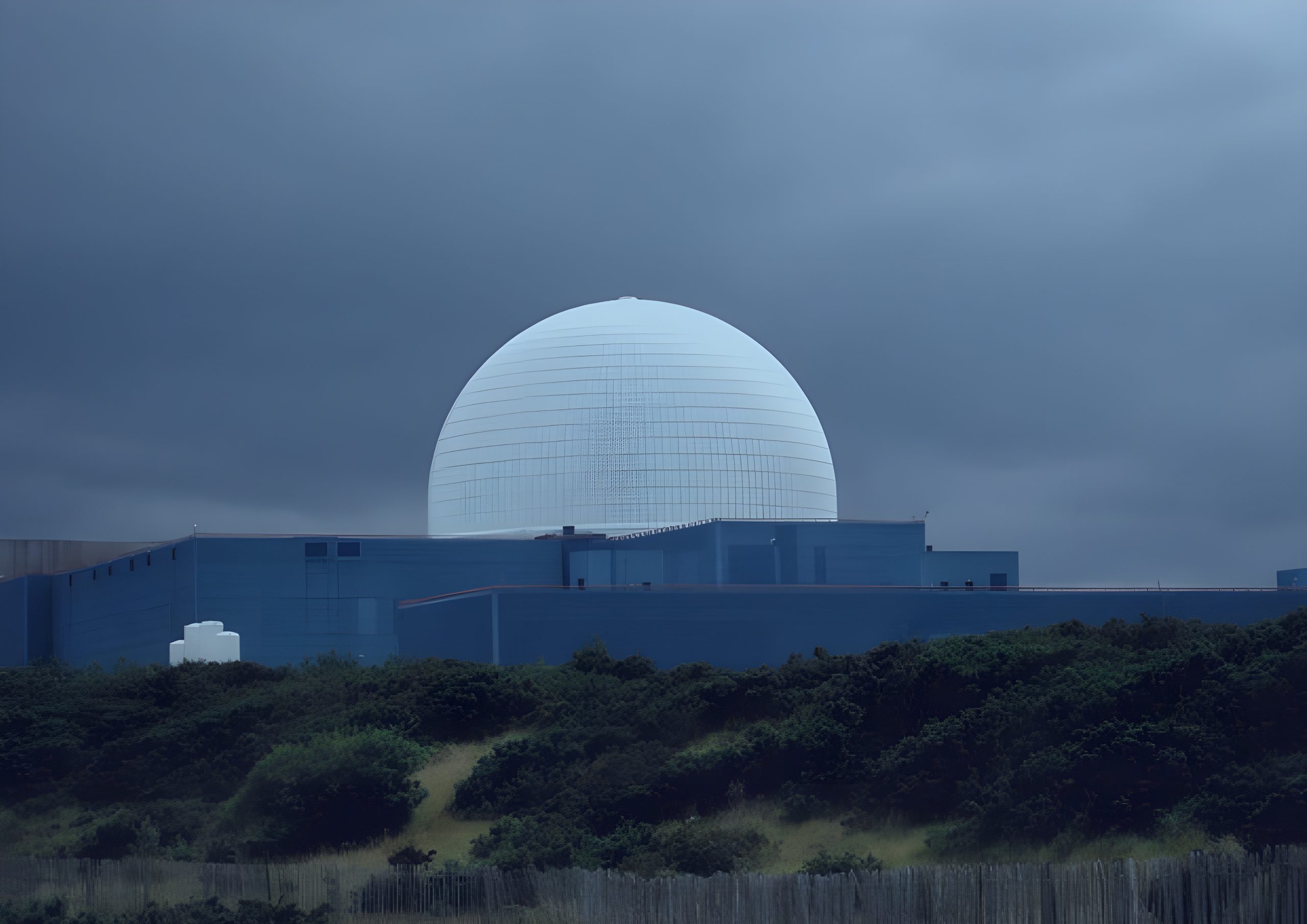
 310
310
310
310